


27th Sunday in Ordinary Time
4th October 2026
Lectionary Readings: Is 5:1-7; Ps 80:9, 12, 13-14, 15-16, 19-20; Phil 4:6-9; Mt 21:33-43
Theme: The earth is not ours to possess, but a gift to be shared
This weekend marks the culmination of the Season of Creation. This annual ecumenical celebration is a time of thanksgiving for gift of our common home. The season challenges the world’s 2.2 billion Christians to renew their relationship with God the Creator and all creation through conversion and recommitment. The event reminds us that “the natural environment is a collective good, the patrimony of all humanity and the responsibility of everyone” (Laudato Si §117) and “not an object of exploitation, unbridled use and unlimited ambition” (Laudate Deum §25). Rather, the earth belongs to the Lord (Deut 10:14) and we are simply “tenants” (Lev 25:23) entrusted with a duty of care.
The readings this week all draw on images from creation to explicate the nature of God’s call to conversion and repentance. The setting for the gospel is Jerusalem. Jesus had just undertaken the dramatic action of “cleansing the Temple.” In the exchange with “the chief priests and elders of the people,” he continued his indictment of the Temple leadership (Mitch and Sri, 440). They are represented in the parable as the “tenants” who were entrusted with cultivation and care of the vineyard while the landowner went abroad. In this parable, the tenant-farmers did not provide the landlord with his share of the produce at harvest time, as expected in first-century Palestine (Mitch and Sri, 440). Instead, they rejected and dealt violently with all the slaves who were sent to them. Amy-Jill Levine reminds us that “vineyard” was the familiar cultural metaphor for “God’s property” (Levine, 215). Moreover, for Matthew’s listeners, the consecration of the “first fruits” of the harvest to God, who was the rightful owner of the land, was a long-revered biblical injunction (Ex 23:19). In the end, disregarding the benevolence of the landowner who gave them several chances to repent, the tenant-farmers also killed his son and heir (Mitch and Sri, 441). Their actions were seemingly propelled by unbridled greed and the selfish desire seize his inheritance (Mt 21:38).
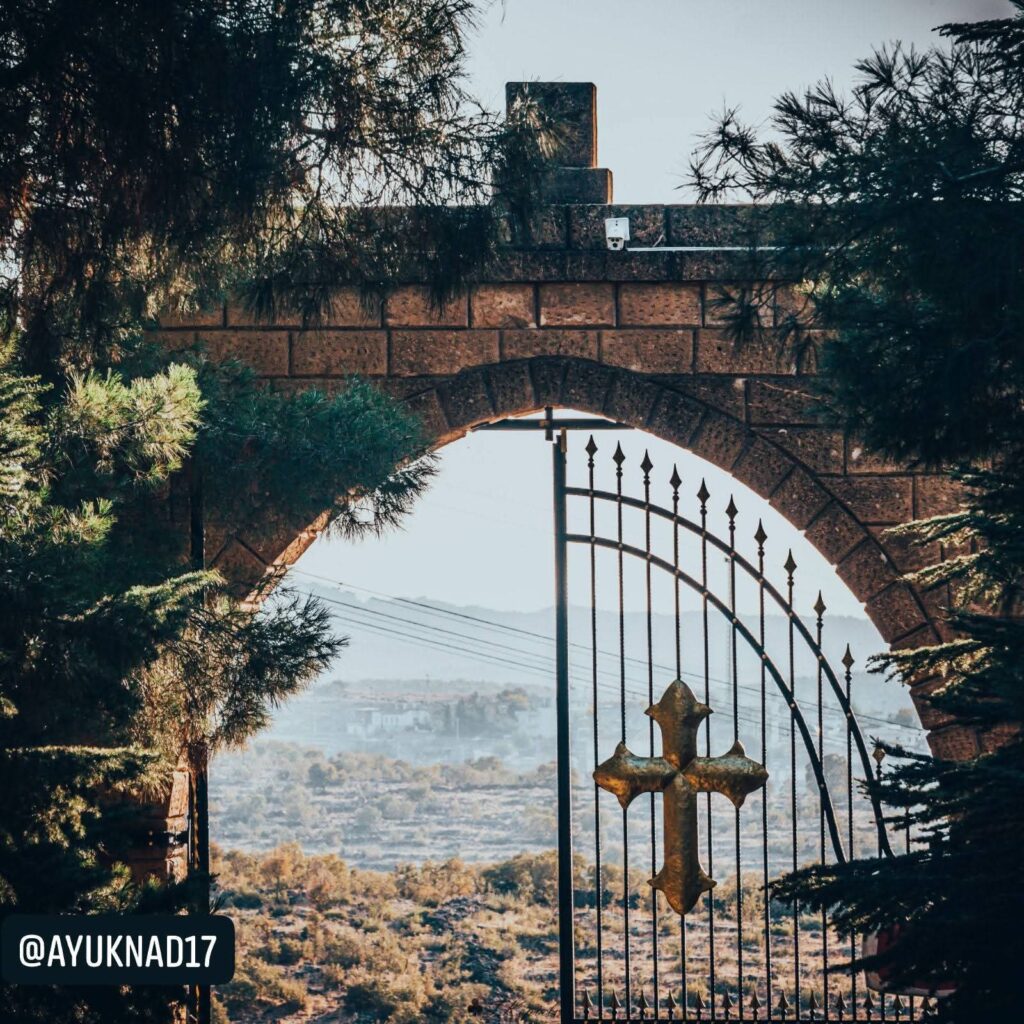
An ecological reading of this pericope challenges us to reflect on the times when humankind has forgotten that they are “tenants” on this earth. Catholic Social Teaching reminds us that we are not “owners” of a property called the Earth, but “stewards” of a gift called “our common home” and therefore accountable to the Lord for the quality of our stewardship. We have been entrusted by the Lord to care for and safeguard the planet, not to pursue rampant overexploitation motivated by greed, selfishness and the misuse of power. The Season of Creation reminds Christians that respect for the integrity of creation is consistent with the “justice and righteousness” the Lord expects from us and the responsibility to hear the “cry” of the earth (Is 5:7).
For Reflection and Discussion:
Pope St. John Paul II on January 17, 2001 and Pope Francis on May 24, 2015, called on Christians to undergo an “ecological conversion” whereby the encounter with Jesus Christ bears fruit in right relations with all creation (Laudato Si §217). How has “ecological conversion” become a way of life for you?
Bibliography: Levine, A.J. Short Stories by Jesus: The Enigmatic Parables of a Controversial Rabbi (New York, 2014); Mitch and Sri, The Gospel of Matthew (Grand Rapids, 2010).
This week’s Sunday Liturgy Commentary was prepared by
Sr. Carla Thomas, O.P, Canada, Bat Kol Alumna: 2018.
[Copyright © 2026]
Comments are closed