


Parashat Va-Y’Hi
02nd January 2026
Week of 26 December 2025 – 03 January 2026
Torah portion : Genesis 47:28-50:26 ; Haftarah : I Kings 2:1-12
Theme: “Unwavering allegiance manifests in genuine benevolence: hesed v’emet”
Parashat Va-Y’Hi (Vayechi) (ויחי) represents the twelfth weekly Torah portion within the annual Jewish cycle of Torah readings. Va-Y’Hi, which translates to “He Lived,” constitutes the final portion of the Book of Genesis. The narrative commences as Jacob prepares for his demise, compelling his son Joseph to pledge that he will inter him in the Cave of Machpelah. Jacob bestows blessings upon Joseph’s two sons, as well as his own twelve sons, before succumbing to death. Subsequently, Jacob’s sons lay him to rest. The portion concludes with the passing of Joseph (Cf. Genesis 47:28-50:26 ETZ HAYIM p293-311).
The parasha begins with Jacob’s request not to be buried in Egypt (Cf. Genesis 47:29 ETZ HAYIM p293). He is driven by fear that all his divine inspirations will be buried with him in that country forever. Egypt is a land dominated by the cult of the dead, where people are more interested in the past than in the future. The time yet to come is something that they are afraid of; it is seen as a place of anxiety, fear, and danger. But Jacob does not belong there; he is part of a promise, and he is totally devoted to the future. Thanks to the promise he had been given, he is bound to another land, which is not merely a different location but also has a totally different outlook. It is God who is the author of his family history, and so the future is something which he is looking forward to seeing. Undoubtedly, he experiences human anxiety that with his death, the family’s future will be buried as well. Yet faith in the promise exceeds all human fears. We can also see in Cf. Halakhah L’Ma-aseh 50:26 that Joseph died in accordance with Prov. 10:7, we say of an individual we remember with love and respect, “May his or her memory be a blessing”: Zikhrono / Zikhronah livrakhah (זכרונה לברכה).
The passage from Cf. I Kings 2:1-12 (ETZ HAYIM p. 312) stands as a powerful testament to King David’s enduring wisdom as he imparts crucial advice to his son, Solomon, in his final moments. David confidently urges Solomon to embrace strength, govern judiciously, and remain steadfast in following God’s commandments, ensuring both the prosperity and longevity of their dynasty. He addresses how Solomon should manage longstanding adversaries, such as Joab and Shimei, equipping him with the insights needed for effective leadership.
David’s imperative, “Be strong, act like a man,” serves as an inspiring rallying cry, emphasizing that true strength comes from moral courage and spiritual resilience, rather than mere physical might. He highlights the critical importance of adhering to God’s Law, including the teachings of the Torah, with the assurance that such commitment will undoubtedly lead to success in all endeavors. By reminding Solomon of the divine promise that fidelity to God’s laws guarantees a lasting lineage on Israel’s throne, David instills confidence in his son’s future.
Moreover, David’s directive to exercise wisdom in administering justice particularly with Joab and Shimei positions Solomon to take control and assert his authority effectively. The narrative culminates with David’s death and burial in Jerusalem, marking the end of his impressive 40-year reign and the beginning of Solomon’s own leadership journey.
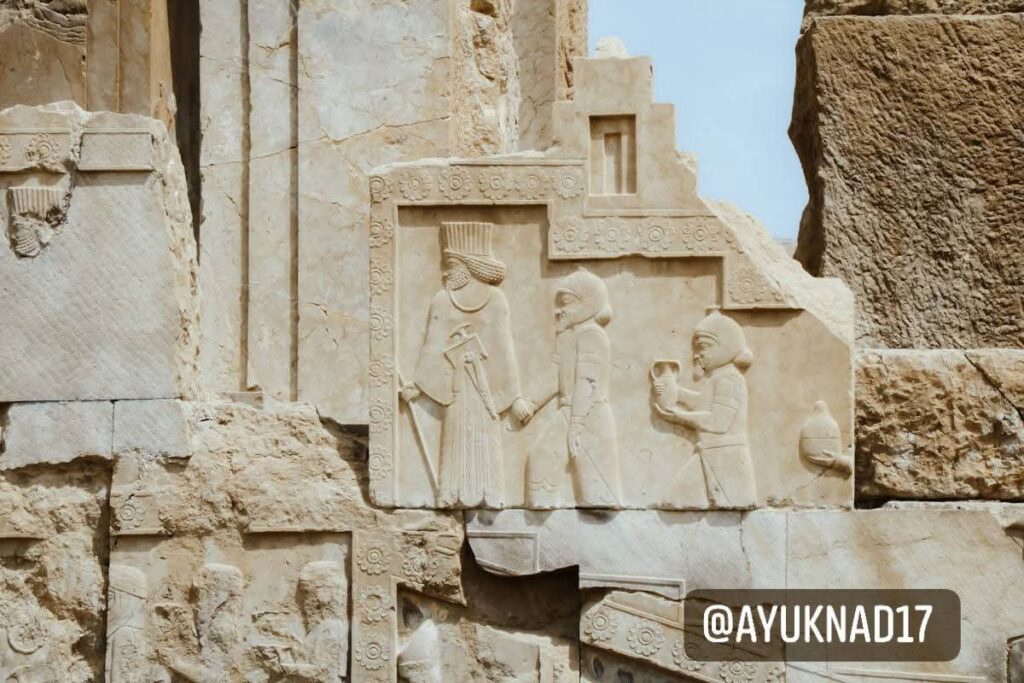
This passage represents a resolute “passing of the torch” a father’s firm guidance urging his son to lead with integrity, insight, and unwavering justice. It serves as a powerful reminder of the values necessary for impactful leadership, the strength found in moral conviction, and the profound legacy that shapes future generations. The relationship between Parashat Va-Y’hi (Ibid. Genesis 47:28-50:26) and its Haftarah (Ibid. 1 Kings 2:1-12) provides a profound conclusion with patriarchs Jacob (Israel) and David imparting final blessings and guidance to their descendants before their departure. These passages highlight the importance of faithfulness to God’s covenant, the transmission of spiritual legacy, and the need for continuity across generations. They remind us that divine promises hinge on our obedience to the Torah, essential for future success and leadership in Israel. In this parasha, we witness a vivid portrayal of the human experience, while the divine presence subtly unfolds. Both narratives feature dying patriarchs delivering vital advice: Jacob to Joseph and his sons, and David to Solomon.
As we immerse ourselves in these texts, we recognize the struggle posed by a lack of communication within the family, with members often relying on messengers and unaware of each other’s lives. Yet, Book of Genesis reveals Jacob’s prophetic blessings for his twelve sons (tribes) and his earnest wish to be buried in the Promised Land, underscoring the significance of a spiritual legacy. In parallel, 1 Kings illustrates David’s call to Solomon to embrace God’s ways, uphold His laws, and govern with righteousness.
The bonds within this family appear fragile and disconnected, each individual entrenched in their own world. It is Jacob’s illness and imminent death that ultimately draw them back together. Though we may worry that the human experience might overshadow the divine, both narratives affirm God’s unwavering faithfulness to His covenant promises regarding land and kingship and highlight the necessity for the next generation to uphold spiritual foundations to ensure these promises endure.
The thematic parallel between these texts serves as an inspiring liturgical and thematic connection Ibid. 1 Kings 2:1-12, the designated Haftarah for Vayechi (Ibid. Genesis 47:28-50:26), emphasizes the theme of Leadership and Obedience. Jacob’s story lays the groundwork for the tribes of Israel, while David’s guidance to Solomon sets an uplifting tone for a united monarchy. Both narratives emphasize the vital truth that God’s blessings depend on our commitment to His Torah.
As we engage with the parasha, we are confronted with the deeply human elements of this unfolding drama, and it naturally raises a troubling question that many of us might share: What will happen to God’s promise? Jacob is gravely ill and nearing death, and shortly after, Joseph passes away as well. In this moment of despair, it seems that none of the brothers can carry forward God’s promise. Living in Egypt, a land that feels like a grave, they face the threat of losing all hope for their family’s aspirations.
It’s understandable to question trust in God’s promise when it feels so heavily tested. Our faith can indeed be challenged, but perhaps these trials are opportunities to strengthen our resolve and help us reach beyond the immediate horizon.
In many ways, Book of Genesis serves as a foundation for the tribes and their future. Meanwhile, 1 Kings offers a glimpse into the emergence of that future kingdom under David, highlighting his guidance for Solomon. This connection illustrates how God’s promise is intertwined with the actions required to nurture and sustain it, reminding us that we are not alone in our struggles.
For Reflection and Discussion:
- How do I experience the influence of God’s promise in my life? Do I experience anxiety when thinking about the future?
2. How leaders pass on their legacy and God’s covenant?
Bibliography: ETZ HAYIM, Torah and Commentary: The Rabbinical Assembly, The United Synagogue of Conservative Judaism, 1999; The Catholic Study Bible 3rd Edition; The New American Bible, Saint Joseph Edition; The Catholic Prayer Bible;)www.sefaria.org.il;)www.chabad.org) /; www.jewschool.com/zichrono-livracha;www.outorah.org
This week’s Parasha Commentary was prepared by
Dunhill Malunar Timkang, Jerusalem-Israel, Bat Kol Secretary
[Copyright © 2026]
Comments are closed