


Solemnity of Our Lord Jesus Christ, King of the Universe
22ndNovember 2026
Lectionary Readings: Ez 34:11-12,15-17; Ps. 23:1-3, 5-6; 1 Cor 15:20-26, 28; Mt25:31-46
Theme: Jesus Christ, our Shepherd-King – merciful and just
We begin by first considering the reading from Ezekiel, 34:11-12, 15-17. This chapter first begins with God’s condemnation of Israel’s “shepherds,” meaning those responsible for providing leadership, especially the kings and their officials, but also the prophets and priests. They enjoyed the perks of leadership, but their crime was that they did not care for the flock. In response, God takes over. God is on a rescue mission. God uses forms of “I will,” 12 times in vv. 11–16, showing that God is taking the initiative. God also judges the “rams and goats,” people of power and influence who were oppressing poorer Israelites. Ezekiel 34:11: The true shepherd of Israel is the LORD (Gen 49:24; Ps 80:1). Since there are no real leaders, the LORD will restore his people (see PSs 23; 77:20; Isa 40:11; Jer 23:3). Jesus will use the image of the shepherd looking for the lost sheep, in order to show how great is God’s concern for lost human beings (Mt 18:12; Lk 15:4) and will describe himself as the only Good Shepherd (Jn 10). Ezekiel 34:17: God’s visitation of his flock will be first and foremost for judgment, for separating the good and the bad. He will establish the social justice often proclaimed in Ezekiel’s preaching (see Ezek 18:5-9, 12-13; 33:14f; 45:9-12). When the only true shepherd comes, the leaders will take their place in the flock and will be judged according to their injustice. We may think here of the judgment scene that Jesus will one day describe (Mt 25:1-46), from which our Gospel reading is taken.
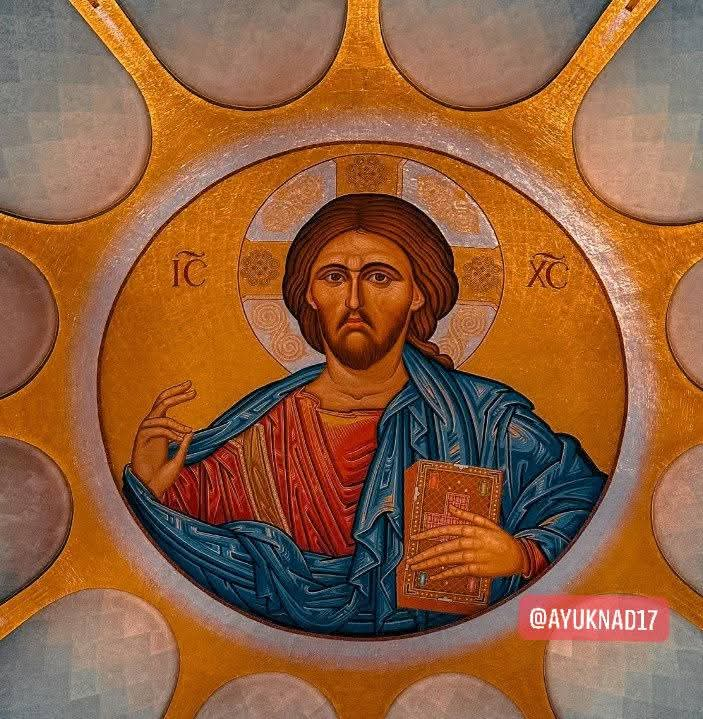
Psalm 23:1: This psalm is a profession of joyful trust in the Lord as the good Shepherd-King that has become one of the world’s greatest prayers. The image of God in shepherd’s garb has parallels in the Prophets (see Isa 40:11; Ezek 34:11-16) and will be the best known of the allegories in which Jesus speaks of himself (see Jn 10:11-18), so much so that the New Testament writers love to give him this title (see Heb 13:20; 1 Pet 2:25; Rev 7:17). The water, oil, and cup of wine of which the text speaks made Christians think of the Sacraments of initiation: Baptism, Confirmation, and Eucharist. As a result, the psalm used to be sung during the Easter Vigil by the newly baptized, who were filled with the joy of God. In praying this psalm, we can dwell on the fact that the heavenly Father’s love embraces us from eternity, preparing for us in Christ all kinds of spiritual blessings: election, adoption, redemption, incorporation into Christ (see Eph 1:3-14). He watches over us solicitously (see Mt 6:25-34) and follows us through the Good Shepherd who seeks out the straying sheep until he finds it again (see Lk 15). Recently, I came across a note about the Hebrew word translated in verse 6 as ‘follow’: the Hebrew is ‘radaph’- ‘rah-daf’, pronounced ‘raw-daf’. The following are the meanings in different contexts: chase, put to flight, follow after or on, hunt, (be under) persecution, pursue (Strongs 7291).
Matthew 25:31: This passage constitutes the conclusion of the eschatological discourse with the description of the Last Judgment. In the second part of the great discourse (Mt 24:37), the individual judgment was repeatedly indicated. Now there comes before us the supreme Judge, Jesus Christ in glory, who at the end of time will judge all peoples, without distinction between Jew and Gentile, and will separate the good from the wicked in accord with everyone’s deeds. The sheep and goats’ scene describes in more detail the final judgment that the end of the previous two parables depict. Caring for the needy is not salvation by works but the fruit of repentance that demonstrates an individual’s right relationship with God through Christ. Ultimately there are only two types of people: those who have not followed Jesus and are therefore against him and will endure eternal punishment; and Jesus’ followers who are with him and will enjoy eternal life.
For Reflection and Discussion:
1) When I pray Psalm 23, I now say ‘Surely Goodness and Mercy shall pursue me all the days of my life’. How do you wish to change ‘follow’ in the light of the Hebrew word?
2) Paul in our second reading gives us the hope to be followers of Jesus: “But Christ has been raised from the dead, the first fruits of those who have fallen asleep.” (1 Cor.15:20). How do you feel about this?
Bibliography: Notes and NCB, taken from www.biblegateway.com
This week’s Sunday Liturgy Commentary was prepared by
Bernadette Chellew, South Africa, Bat Kol Alumna: 2008
[Copyright © 2026]
Comments are closed