


Parashat Ki Tisa
6th March 2026
Week of 1-7 March 2026
Torah portion : Exodus 30:11-34:35 Haftarah : 1 Kings 18 :1-39
Theme: I have established a covenant with you and with Israel (34:27b)
The ‘Women’s Commentary’, p.495 gives the following heading to the parashah for this week; ‘Tablets, Calf, and Covenant: Mediating the relationship between God and Israel. Thus we are going to examine how God and Israel can co-exist. It is an amazing phenomenon: God, the first party, Who is utterly Holy – totally Other and separated as the Omnipotent Creator; and Israel, the second party, a ‘stiff-necked’ and back-sliding nation that can achieve holiness but cannot maintain it! Whatever we may think as we look back on this situation, we have to admit that this is the story of humanity’s journey to the Promised Land -Eternal Life with God.
On the same page of ‘The Women’s Commentary’ we are brought very quickly to the end of the parashah for this week which affirms three ‘strategies’ that are put in place by God to facilitate this relationship.
Firstly, the Tabernacle, the instructions for which (25:1-33) come before ‘the Golden Calf’ episode which is then followed by the description of the construction of the Tabernacle (35:1-40:38). The ‘Golden Calf’ arose out of the fire to satisfy the impatient Israelites’ need for a physical location where they could worship God. The Tabernacle is God’s answer to that need – God lives in a tent with his nomadic people.
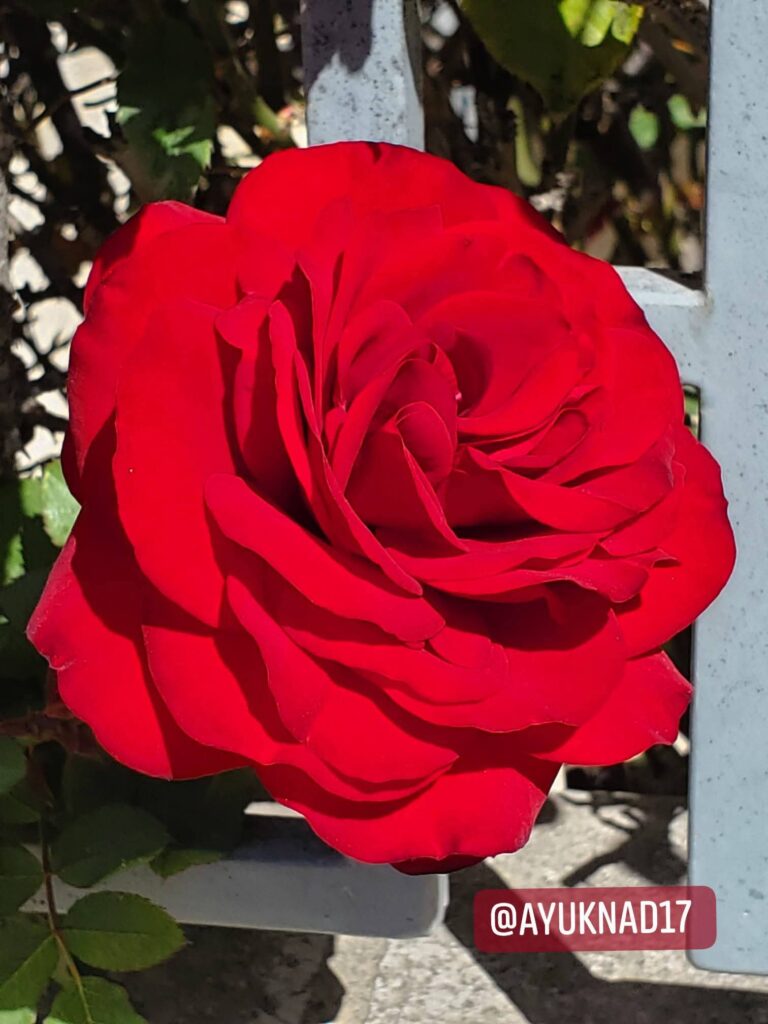
Secondly, The Covenant is restored at the end of this parashah (34:1-35). The terms of the Covenant are re-iterated 34:10-28 ending clearly with: “27The Lord said to Moses, ‘Write down these words, for in accordance with them I have established a covenant with you and with Israel.’28 Moses remained with the Lord for forty days and forty nights without eating bread or drinking water. And he wrote the words of the covenant, the Ten Commandments, on the tablets.”
Thirdly, Moses emerges as the most crucial mediating strategy between God and Israel. When I was studying in Ireland (1983/84) our Scripture Lecturer, the late Tom Hamill, often said: “Who is God and who is Moses?” Moses is more and more closely identified with God until even his physical being is supernaturally transformed (34:29-35).
How do we translate these ‘strategies’ into our faith journey? Matthew’s Gospel keeps ringing in my ears. Jesus is the new Moses who goes up the mountain to teach the way of life and prayer according to Covenant (cc.5-7).The Tabernacle is the community prayer especially around the Eucharist (26;26-28). Moses meets the LORD God in a special way in the Tent of Meeting and the LORD shows him his glory (33:7-23). I see echoes of the Transfiguration in Moses’ life as should be in ours as we journey with Jesus.
For Reflection and Discussion:
1) What would your interpretations of the three strategies that I have presented as suggested in ‘The Women’s Commentary’ and my last paragraph
Bibliography: Eskenazi, T. C. Weiss, A.L. A Women’s Commentary (New York: 2008); https //www.biblegateway.com. NCB translation.
This week’s Parasha Commentary was prepared by
Bernadette Teresa Chellew, South Africa, Bat Kol Alumna 2008
[Copyright © 2026]
Comments are closed