


Parashat Lech L’cha
23rd October 2026
Week of 24 – 30 October 2026
Torah portion: Genesis 12:1 – 17:27 Haftarah selection: Isaiah 40:27 – 41:16
Theme: Quo vadis? Take The Next Right Step!
Abraham and Sarah Walk the Road
The story of Abraham begins abruptly, except for a passing mention in Gen. 11:27-31, with a call from God to leave all for a land “that I will show you.” Since the name Canaan is not mentioned at the start, God’s command implies that Abraham should begin the journey without knowing the way or the destination “to the land that I will show you.” The Midrash plays on the Hebrew and reads, “the land wherein I will appear to you.” God cannot be found as readily in the opulent surroundings of Haran as in the pasture lands of Canaan [Mid. HaGadol].
Abraham wandered aimlessly from nation to nation and kingdom to kingdom, till he reached Canaan, when God said to him, “to your offspring I shall give this land” (Gen 12:7). This was the fulfilment of “to the land that I will show you” and therefore he settled there… Before that, he did not yet know that that land was the subject of the command… That is why he later said to Abimelech, “God made me wander from my father’s house” (20:13). For indeed he wandered like a lost lamb (Rambam, Genesis 12:1). The Rambam by specifically quoting Gen. 20:13, “God made me wander,” emphasizes “wandering” as something divinely ordained. Rashi concurs with this interpretation. God took Abraham from his home and made him “roam and move about from place to place” implying that not the destination, but the journey itself is God’s will (Rashi, Gen 20:13).
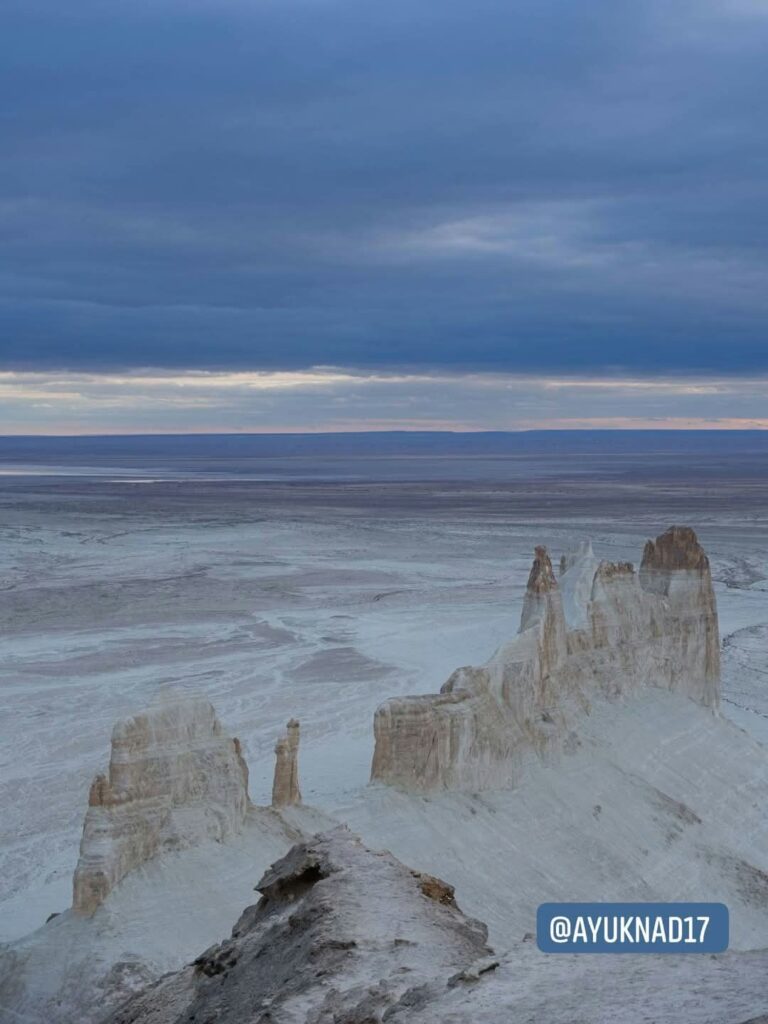
Abraham and Sarah Walk the Road
God’s first words to Abraham, [lekh l’cha], literally mean, “be-take yourself” and can be variously translated as “Go forth, travel, leave.” It is basically the story of one man whose decision to step out and follow a divine call changes the course of history. A midrash interprets this to mean, “Go forth to find your authentic self, to learn who you are meant to be.” Physically we leave our home first, then our neighbourhood, and finally our country. Emotionally, however, leaving one’s geographic country of origin is easier than leaving one’s family.
For the first time, a journey is undertaken, not as an act of exile … or a quest for domination … but as a response to a divine imperative.” [Zornberg]. “Lekh l’cha” for your pleasure and for your benefit. There, I will make of you a great nation; whereas here you do not merit having children…“ [Rashi]. The human being is called a walker, always having to go from one rung to another [Arthur Green, The Sefat Emet]. Abraham wandered not only with his feet but with his mind implying that this is one journey which must be made alone [Hirsh].
For Reflection and Discussion:
[1] Wandering may involve restlessness, disappointments, daring new adventures among other situations. These realities are woven into our own story of life and faith. Recall your own situation in the context when you over-reached yourself and dared something new.
[2] What excuses sometimes deter or hinder me when God says “go forth…”? Do my personal choices come from that genuine deep place of inner freedom where I am truly ‘myself’ before God?
[3] “You have made us for yourself, O Lord, and our heart is restless until it rests in you” [St. Augustine of Hippo]. Consider how worldly pursuits like pleasure, status, or material things cannot permanently satisfy the human soul.
Bibliography: Etz Hayim, Torah and Commentary (New York, 2001; www.lightoftorah.net; Bat Kol Institute, Excavating the Word of God in the Book of Genesis Mimeographed class notes (Jerusalem Study Session, 2001).
This week’s Parasha commentary was prepared by
Roy da Silva, MTh [Biblical Theology],
Chandigarh, India. Bat Kol alumnus, 2002 – 2006, 2015
[Copyright © 2026]
Comments are closed