


25th September 2026
Week of 18 – 25 September 2026
Torah portion : Leviticus 22 :26–23 :44Haftarah : Zechariah 14 :1–21
Sukkot, a time of joy, hope and trust in the One and Unique God.
We are following the Jewish holidays that culminate with the festival of Sukkot: Rosh Hashanah, Yom Kippur, Sukkot, which concludes with Simchat Torah, in which the celebration is experienced intensely among the people
First, the feast of Sukkot is based on the Scriptures and throughout history, its practice has been the bearer of a theological evolution that sustains the Jewish people to this day. In turn, the literature of the New Testament bears witness to the importance of the celebration of the feast of Sukkot and its spirituality in the life of the Jewish people; from this fact we learn that while the Temple existed, Jesus, his disciples and all his followers actively lived with the existing liturgy of the feast of Sukkot and participated in its spiritual richness.
The texts of Scripture emphasise the centrality of the festival of Sukkot and underline its importance to the community of Israel: Deuteronomy 16:13-15: “As for the festival of Sukkot, you shall celebrate it for seven days, when you have gathered in all that comes from your threshing floor and from your place. You shall rejoice at your festival, together with your son, your daughter, your male and female servant, the Levite, the sojourner, the fatherless and the widow who are in your towns. For seven days you shall celebrate a pilgrimage to the Lord your God at the place which the Lord your God will choose, for the Lord your God will bless you in all the produce of your land and in all your doings; and you shall be a joyful lot.” (Cf. Lv. 23:34-37; Nm. 29:12).
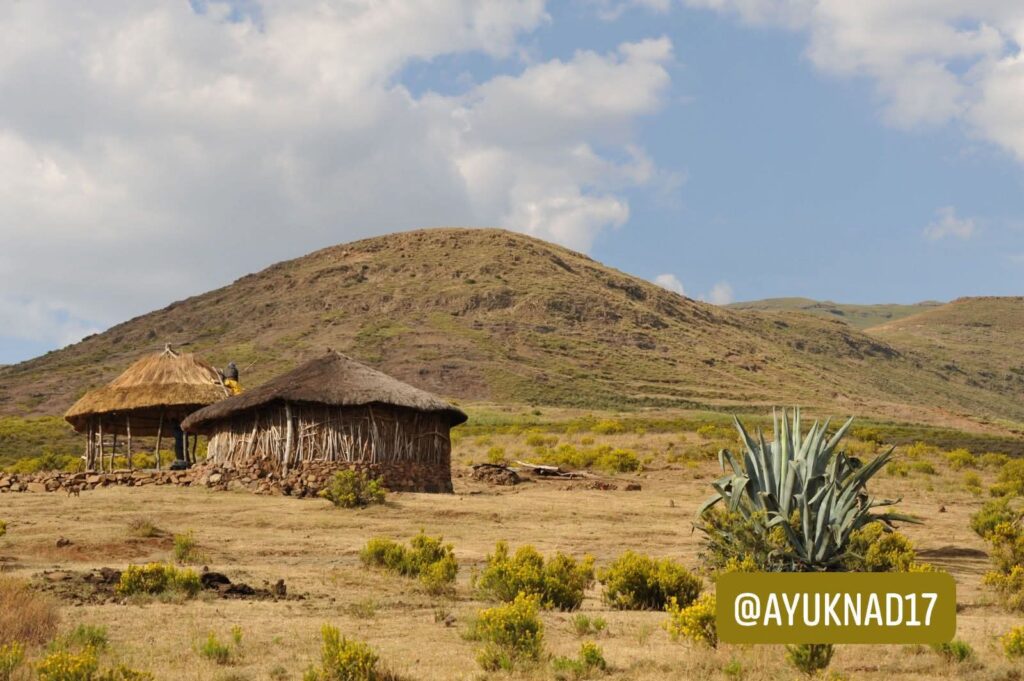
The festival of Sukkot is the third and final harvest festival (after Pesah and Shavuot). All three of these festivals are distributed at different times throughout the year. The first (Pesah) begins with spring and the last (Sukkot) marks the beginning of winter. From a natural point of view, the festival of Sukkot marks the end of the period of longer duration of light presence (of the sun), of the brightness of the light, and the beginning of the period of shorter days in which night takes over the day, that is, darkness prevails over light. It is a time to gather, to plant, to germinate, to wait. Nothing is certain, everything depends; it is a time of expectation: what will germination be like; what will the conditions for growth be like; will the favourable conditions be there to overcome this time?
Among the many elements that the feast of Sukkot offers for experience is its prevailing universality: the liturgy of the feast includes everyone. The Jewish people are the testimony to the One and Unique God for all humanity, and all Nations are included in this celebration which is a prelude to the Kingdom of Heaven. As the Prophet Zechariah states: “In that day there will be no more light, no more cold, no more frost. It will be one day – the dreamer knows it. There will be no more day or night; at evening there will be light. On that day living waters will flow out from Jerusalem, half towards the eastern sea, half towards the western sea. It will be like this in summer and in winter. Then the Lord will show himself to be king over all the earth. In that day the Lord will be ONE and UNIQUE his name…” (Zech 14. 6-1).
The tradition of Israel, through the Sages, details the practice and elaborates on its spiritual content to shed light on how it is observed: “For seven days, the Booth becomes the place of permanent residence (for eating, sleeping, and studying), while the house becomes the place of temporary residence. In the event of rain, when is one permitted to leave the Sukkah? When the soup is spoiled (by the excess water falling into it). A comparison is drawn: What is this situation like? It resembles a servant who goes to serve a dish to his Master, and the Master throws it in his face” (m. Sukkah 2:9).
As seen in this text, the Mishnah establishes certain practical elements of the festival and seeks to provide the rationale behind the biblical requirements. The festival of Sukkot emphasizes the reality of life’s dependency, teaching the provisional nature of human existence: settling into a dwelling (Sukkah)—a precarious and temporary space—instilling in the community of Israel the certainty that true security is found only in God and that all else in existence is fleeting. Thus, the Sukkah, built to recall the desert experience—where one is exposed to all the elements—signifies that only Heaven offers sure and definitive protection. The experience of living within the Sukkah foreshadows our ultimate dwelling with God. Amidst the transient and precarious conditions of life in the Sukkah—existing under God’s exclusive protection, which mirrors life itself—the people experience dwelling with the Shekhinah; indeed, the Sukkah embodies God’s dwelling in the midst of the community.
At a time when Israel faces significant isolation from the rest of the world, where opposing Israel—simply for being Israel—has become the norm, may the God who revealed himself to Israel and from Israel to the world, enable Israel to celebrate the feast of Sukkot in joy (“…It is said that whoever has not seen the joy of the festival of the drawing of water (on Sukkot) has not seen joy in life” (m Sukka V, 1) and show the right path for Israel to free itself from its enemies and be a bearer of peace to the world, as is its mission: to be ‘light unto the Nations’.
This week’s Parasha Commentary was prepared by
Elio Passeto, NDS, Jerusalem-Israel, Director
[Copyright © 2026]
Comments are closed