


Parashat Vaera
16th January 2026
Week of 11-17 January 2026
Torah portion: Exodus 6 :2-9 :35 ; Haftarah Ezekiel 28 :25-29 :21
Theme: God’s plan of love, healing and presence
In this parashah we have quite the scene. The Israelites have been slaves in Egypt for 400 years and God hearing their cry has intervened. Moses, the man chosen by God to lead the people out of Egypt fiercely resists this call and Pharaoh, the proud and defiant ruler of Egypt stubbornly refuses to grant the Israelites their freedom. How will this be resolved?
Moses found many excuses not to enter into this project but the convincing reassurance, in fact the only thing he could absolutely rely on was that God would be with him: “I will be with you.” (Ex. 3:12). Still preoccupied, Moses asked, “What should I say about the God of my ancestors? (Ex.3:13). God then disclosed to Moses His Name, “I Am Who I Am!” (Ex. 3:15) From now on it was not Moses’ capabilities or lack thereof but it was all divine affirmation. When God revealed Godself to the Patriarchs it was with the name, El Shaddai, a nurturing mother; it was more of a relationship between a parent and a child. Now with Moses, God speaks face to face, as one adult to another in a very personal and intimate way.
In the book of Exodus, we see that God invites human persons to help bring about the accomplishment of divine aims. God chooses to need people! According to Rabbi Abraham Joshua Heschel, “God’s dream is not to be alone, to have mankind as a partner in the drama of continuous creation.” (Held 36) A question that the sages have is why did God speak to Moses in the name of the attribute of mercy? One interpretation is: “I will speak to him only with the voice of Mercy, for the burden of caring for the Israelites is so great, and only Moses is merciful enough to do it.” (Hayim 351)
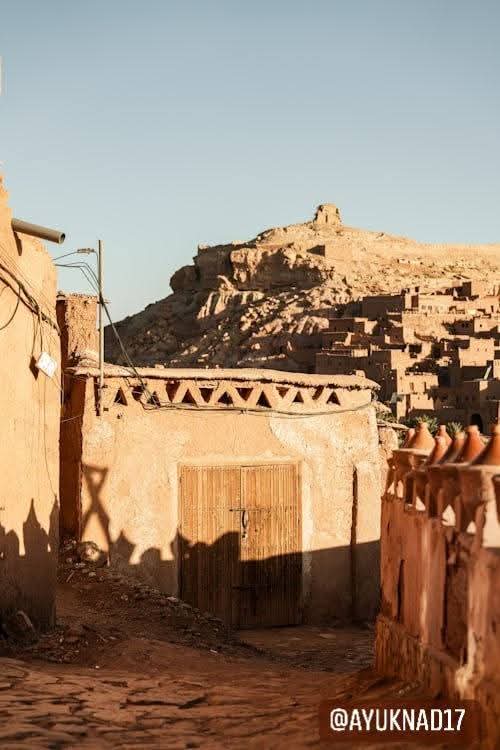
The ancient Egyptian rulers were both head of the state and religious leader of the people. The word, ‘Pharaoh’ means ‘Great House,’ a reference to the palace where he resided. Pharaoh, as a religious leader was considered to be a divine intermediary between the gods and the people. He had absolute authority; his word was law. He commissioned monumental structures that served religious, political and funerary purposes. We do not know the name of the Pharaoh Moses dealt with. Scholars disagree as to the exact dates of the Pharaohs and the length of their reigns so it is difficult to pinpoint the exact one. Instead, the focus was only on his role, not his name. Pharaoh’s ultimate challenge was when Moses claiming to speak for God demanded of him to release the Israelites. This confronted both his divinity and authority.
We read that Pharaoh’s heart was hardened and this has been hard to understand. Was it just his stubborn resistance or was this a deliberate part of God’s plan in order to demonstrate God’s power over Egypt? Indeed, Pharaoh was actually a catalyst for God’s sovereignty. It was Pharaoh’s cruelty that set in motion these events that would both bring about his own downfall and the Israelites’ release. Maimonides wrote of Pharaoh, “Sometimes a man’s offence is so grave that he forecloses the possibility of repentance. At first, he sinned repeatedly of his own free will, until he forfeited the capacity to repent.” (Hayim 356)
The worst part of slavery for the Israelites was that they had grown accustomed to it and thus, lost sight of the fact that they did not have to live under such conditions. To free themselves from this passive state was the only way to ever envision the possibility of change. Throughout this story of being freed from bondage, both the Israelites and Moses had suffered loss. Moses in a desperate plea cried out, “If the Israelites will not listen to me, why would Pharaoh listen to me?” (Ex.5:22). God replied, “Now you will see what I will do to Pharaoh.” (Ex. 6:1)
Difficulties and loss can deplete us and, in this parashah, there is an expression that describes well how demoralizing these can be. It is referred to as ‘kotzer ruach’ (Ex. 6:9). It literally means ‘a shortening of the soul.’ This is what happened to the Israelites. Their experience as slaves in Egypt completely diminished them spiritually. This is the same term used in Job, 21:4 speaking of his utter pain and anguish. In dealing with loss, one begins to question the very will to live and even to question God. Moses did this too. God was not surprised at the whole array of emotions that Moses exhibited, for it illustrated a more honest and genuine relationship. It’s true that God can handle our anger, our honesty and our questioning because God understands us. Strengthening and enabling us, God replenishes our souls and we are able to walk onward with our grief. Rumi, a Sufi mystic and poet of the 13th century cautions us, “Don’t run away from grief, o soul. Look for the remedy inside the pain because the rose came from the thorn and the ruby from the stone.” (336)
For Reflection and Discussion:
1.) With whom do you identify in this story of the Exodus – a slave, Moses or Pharaoh? 2.) Does the term, ‘shortening of the soul’ express a time in your life when you experienced difficulty or loss?
Bibliography: Held, Shai, Judaism is About Love, Farar, Strauss and Giroux, 2024, New York, NY. Lieber, David L., Etz Hayim, Torah and Commentary, The Jewish Publication Society,2021, New York, NY., Rumi, (Jalal al-din al-Rumi), “Selected Poems,” 2015, Pequin, U.K.
This week’s Parasha Commentary was prepared by
Rita Kammermayer, Jerusalem-Israel, Alumna: 2001
[Copyright © 2026]
Comments are closed